
Every golfer’s been there. One drive feels like you’re ready for the Tour, and the next one makes you want to quit. The right golf swing drills can fix that by building consistency into every part of your motion.
That kind of inconsistency doesn’t come from lack of effort. It comes from skipping the small habits that make your swing automatic.
That’s where focused drill work comes in. They isolate specific parts of your motion - rhythm, contact, rotation - and train them until they become second nature.
I’ve tested drills used by coaches, pros, and students across local ranges and indoor setups. The ten below are the ones that consistently improved my contact, tempo, and control - without needing a simulator or launch monitor.
If you want a swing that holds up under pressure, these are the drills that actually move the needle.
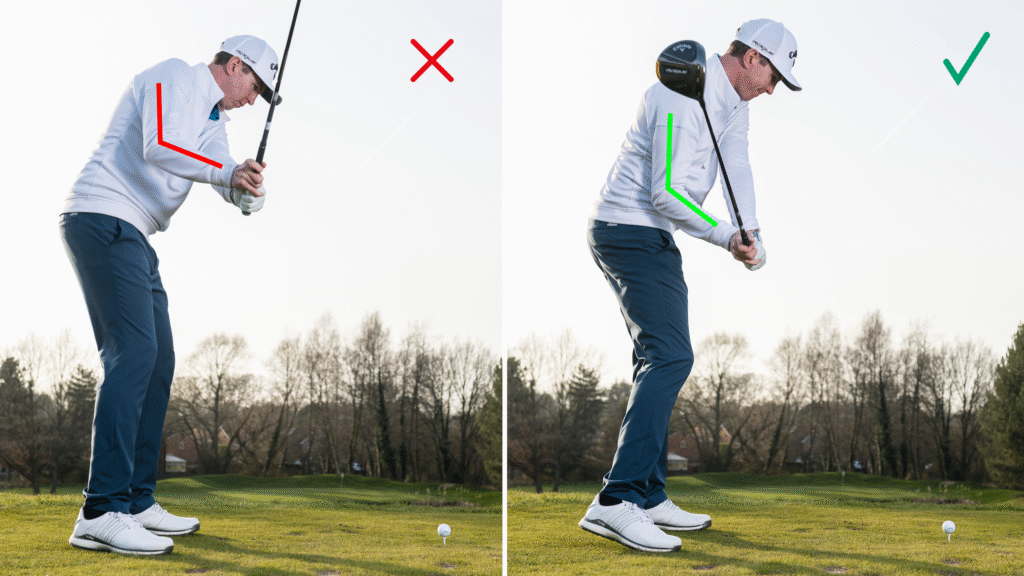
Why Golf Swing Drills Matter
You can’t fix inconsistency with full swings alone. When you hit balls without purpose, your brain mixes good and bad movements equally.
Drills slow the game down. They teach your body how to move before you add speed.
That’s how you:
- Build real muscle memory.
- Improve swing plane and rotation.
- Develop tempo that repeats under pressure.
- Get consistent contact without chasing mechanics.
Just ten minutes of focused drill work can do more for your golf swing drills for beginners swing than two hours of random range practice.

Golf Swing Fundamentals Worth Locking In
Before you start any drill, check your foundations. These simple pieces make every movement more efficient:
- Posture: bend from your hips, not your waist. Stay athletic with light pressure in your knees.
- Grip: keep your hands relaxed and neutral. A tight grip adds tension that kills rotation.
- Rotation: turn your shoulders fully, keeping your spine steady.
- Tempo: focus on rhythm - smooth takeaway, patient transition, balanced finish.
- Follow-through: hold your finish until the ball lands. If you can’t, your weight shift’s off.
Even the best golf simulators and drills can’t help if these fundamentals are out of sync.
10 Golf Swing Drills That Actually Work
These are the drills I go back to every season. Each one fixes a specific part of the swing and builds repeatable feel - indoors or out.
1. Tee Peg Drill - Improve Center Contact

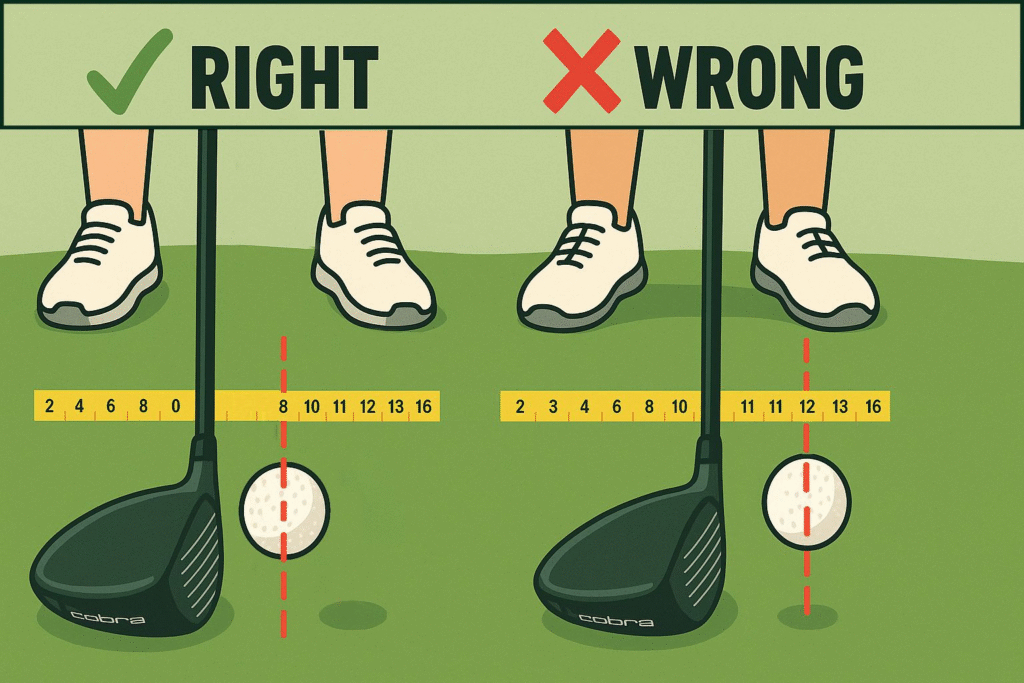
Stick a tee just outside your ball and make smooth swings without clipping it. It sounds simple, but it instantly teaches clubface control. If you hit the tee, your path’s too steep or too far inside.
After a few reps, you’ll start finding the middle of the face more often and feel that flush, compressed strike. This one’s perfect for golfers chasing consistency and accuracy off the tee or with irons.
2. Slice Fix Drill - Straighten Out Your Path
Set an alignment stick outside your target line and swing so your club comes from inside to out, avoiding the stick completely. You’ll feel your trail elbow drop naturally, guiding the club on plane.
The first few swings might feel exaggerated, but once you get the path right, you’ll see the ball start straighter with less curve. It’s one of the best golf swing drills for beginners fighting a slice.
3. Rhythm and Tempo Drill - Build a Repeatable Flow

Count “1-2-3” as you swing - one and two on the backswing, three on the downswing. That simple rhythm forces smoother transitions and eliminates the quick, jerky feel that leads to mishits.
Do this with every club in your bag, even wedges.You’ll notice more balanced finishes and better control of distance without swinging harder.
For most golfers, tempo is the glue that holds everything together.
4. Pause at the Top Drill - Sync the Sequence
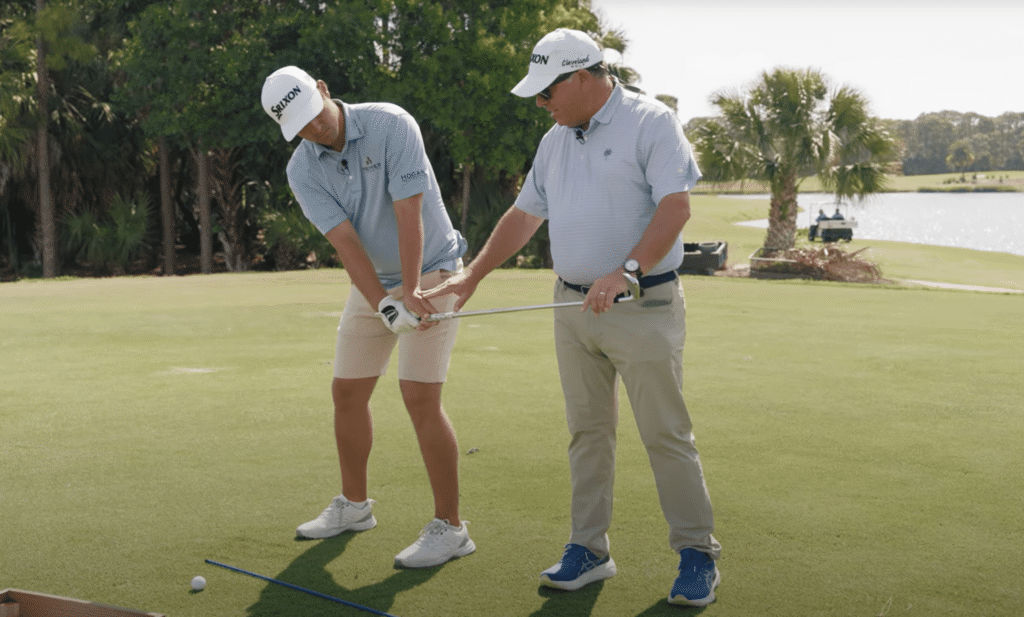
Make a full backswing and pause for one second before starting down. That pause allows your lower body to lead naturally and your arms to follow in sync.
It teaches transition control - something most amateurs rush. Over time, this drill gives you a smoother change of direction and prevents those thin or fat shots caused by timing errors.
The best part? It works great for both drivers and irons.
5. Hybrid Drill - Control the Bottom of Your Swing
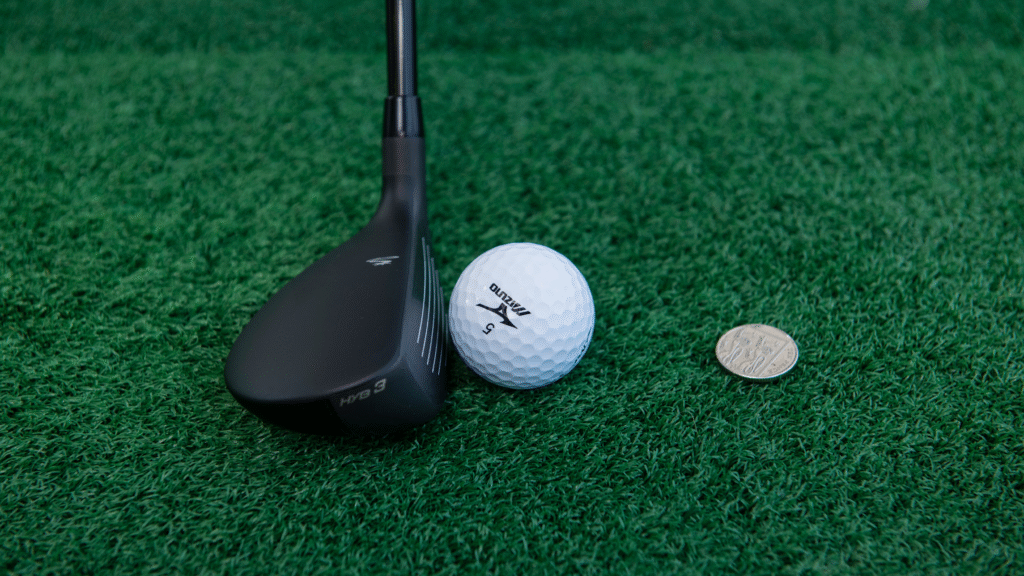
Use a hybrid or 7-iron and hit small half swings while brushing the turf just after contact. If your club bottoms out too early, you’ll feel it right away.
Focus on shifting your weight toward your lead foot as the club comes down. You’ll start hearing that “click” - the sound of the ball compressing before turf.
Once you master this, your ball striking will instantly feel cleaner.
6. Strike the Match Drill - Add Compression and Feel

Imagine striking a match right through the turf as you hit. Keep your hands slightly ahead of the ball and feel the face drive through impact.
You’ll notice your shots coming off lower with tighter spin - the sign of real compression. This is one of the best golf swing drills for distance and accuracy, especially for players who tend to scoop or flip at impact.
7. Hip Turn Drill - Build Power Without Forcing It
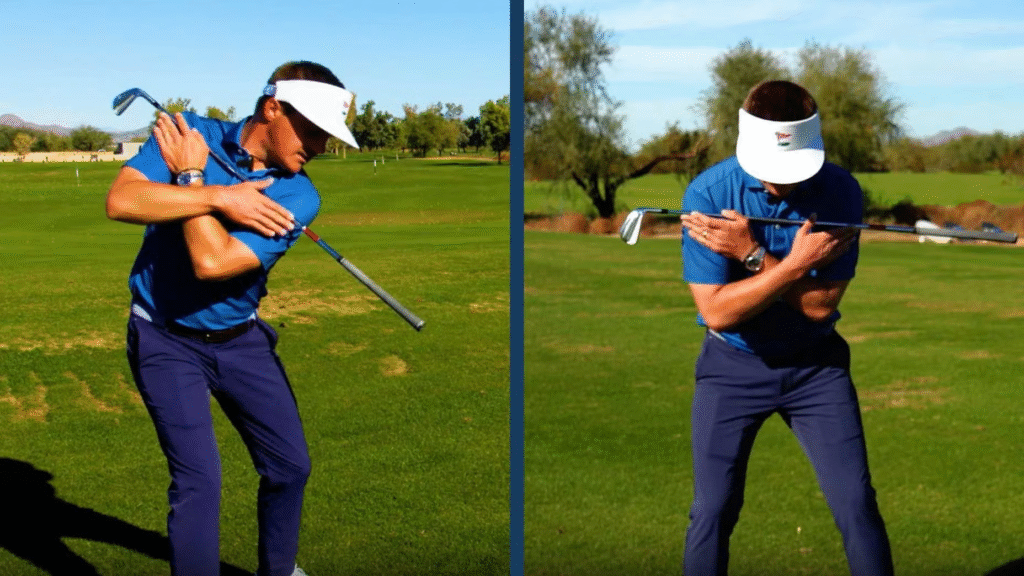
Hold a club across your hips and rotate back and through while keeping your head steady. You’ll feel your hips turning instead of sliding, building tension you can release for power.
When done right, your downswing feels more athletic, not forced. It’s the same movement all great players use to generate speed with minimal effort.
8. Chair Drill - Stop Early Extension and Sway
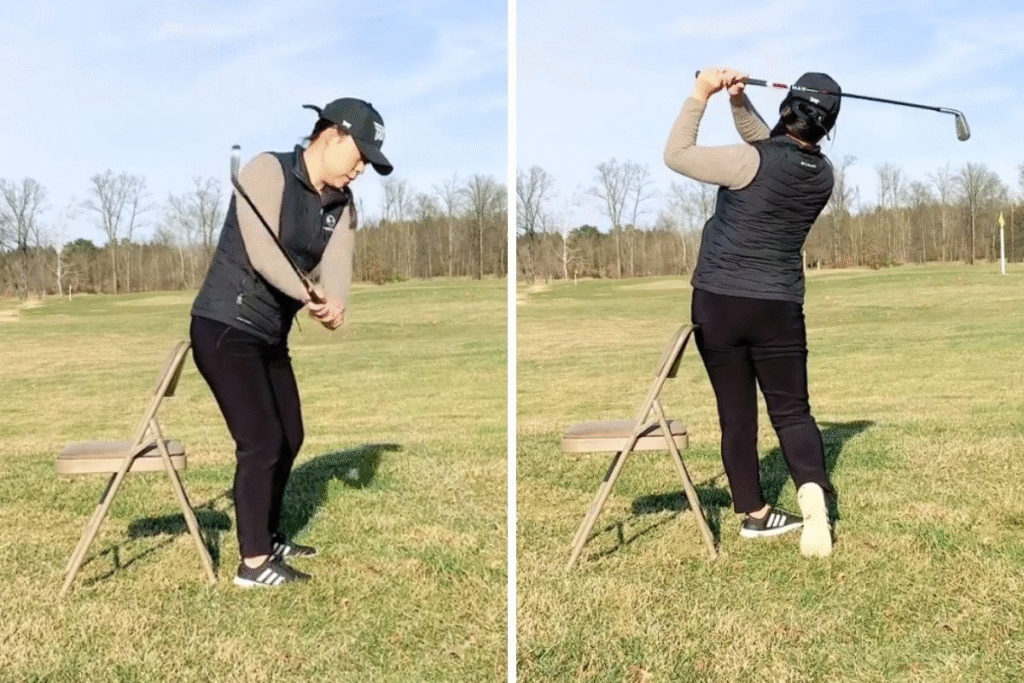
Place a chair behind your trail hip and take your normal backswing without touching it. If your hip bumps into the chair, you’re swaying instead of turning.
After a few reps, you’ll start rotating around your spine instead of sliding laterally. This improves balance, posture, and contact all at once. It’s one of the best golf swing drills for consistency you can do indoors.
9. Towel Under Arm Drill - Keep Everything Connected

Tuck a towel under your lead arm and make smooth half swings, keeping it in place until after impact. If it drops early, your arms are separating from your body - a common cause of slices and mis-hits.
Do this as a warm-up before every round. You’ll feel your swing tighten up and contact improve your game instantly.
The towel drill helps you understand what a one-piece takeaway actually feels like.
10. Gate Drill - Train a Consistent Putting Path
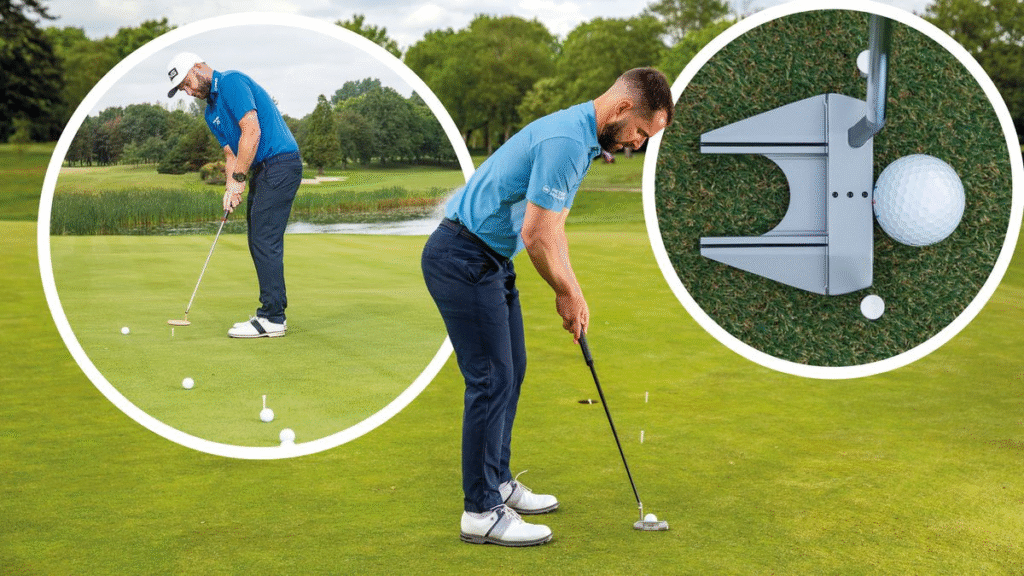
Set two tees slightly wider than your putter head and roll putts through the gap. It forces your stroke to stay square and centered.
Even five minutes a day with this drill builds rhythm, tempo, and confidence - traits that carry over to your full swing.
Putting drills like this sharpen feel and focus, which directly influence your entire motion.
Golf Swing Drills You Can Do at Home
Not everyone has a range nearby, but that’s no excuse to skip practice. These indoor golf swing drills work just as well in small spaces:
- Mirror Drill: stand in front of a mirror and check your posture, grip, and alignment.
Seeing your swing in real time trains visual feedback that sticks. - Alignment Stick Drill: lay two sticks parallel on the floor and make controlled swings through them without touching either one.
Great for refining club path awareness. - Towel Putting Drill: roll a towel under your feet to keep your lower body quiet while putting on carpet.
It builds stability and tempo in your stroke.
Even without a ball, these help your swing feel connected and repeatable.
Match the Drill to the Problem
| Problem | Best Drill | Focus |
|---|---|---|
| Slice or Pull | Slice Fix Drill | Path from inside to outside |
| Poor Contact | Tee Peg Drill | Centered strikes |
| Rushed Tempo | Rhythm Drill | Smoother transitions |
| Weak Shots | Hip Turn Drill | Add rotation and lag |
| Loss of Posture | Chair Drill | Stay in posture through impact |
When you know what’s breaking down, you can fix it fast.
How Often Should You Practice Golf Swing Drills?
You don’t need marathon sessions. Ten to twenty focused minutes per day beats one long weekend session every time.
Try this:
- Warm-up: 3 minutes mirror or towel drill.
- Main focus: 10 minutes on one drill tied to your biggest issue.
- Wrap-up: 5 minutes of slow, balanced swings focusing on tempo.
Record your swing once a week to see if the change is sticking.
When you can repeat the same move three days in a row, you’ve built true consistency.
Frequently Asked Questions
What are the best golf swing drills for beginners?
Start with the towel drill and tee peg drill. Both teach connection and contact - two fundamentals every beginner needs before chasing speed.
Can I do golf swing drills at home without a net?
Yes. Mirror, chair, and alignment stick drills all work indoors with limited space. Focus on tempo and body movement rather than hitting balls.
Which golf swing drill improves consistency the fastest?
The chair drill. It fixes posture, sway, and rotation all at once - three things that affect contact and balance on every swing.
How many drills should I practice per week?
Stick with one or two until you can perform them naturally. Switching too often resets progress.
Final Thoughts
Consistency doesn’t come from talent - it comes from repetition. These golf swing drills train your body to move the same way every time so you can trust your motion under pressure.
Start with the two that target your weakest points. Practice them daily for two weeks. Then rotate in a new one once you feel the difference.
Small, consistent work is how golfers build confidence that lasts. That’s how you turn “good swings” into your normal.
Related Articles
Check out these related guides and reviews from Par Percision: