Trying to figure out the real cost of a golf simulator in 2026 can feel confusing because the numbers swing wildly depending on what you build.
A full simulator can cost anywhere from $1,000 on the low end to more than $20,000 for a complete premium setup. The price changes based on the launch monitor you choose, the size of your space, the enclosure, the projector, and the software you run it on.
If you want the fast answer, most home golfers spend between $3,000 and $7,000 for a full simulator bay that includes something like SkyTrak Plus, FlightScope Mevo Plus, a SIG8 or SIG10 style enclosure, a high quality hitting mat, and a simple projector.
That range covers the setups that most golfers actually build at home.
What Drives the Cost of a Golf Simulator
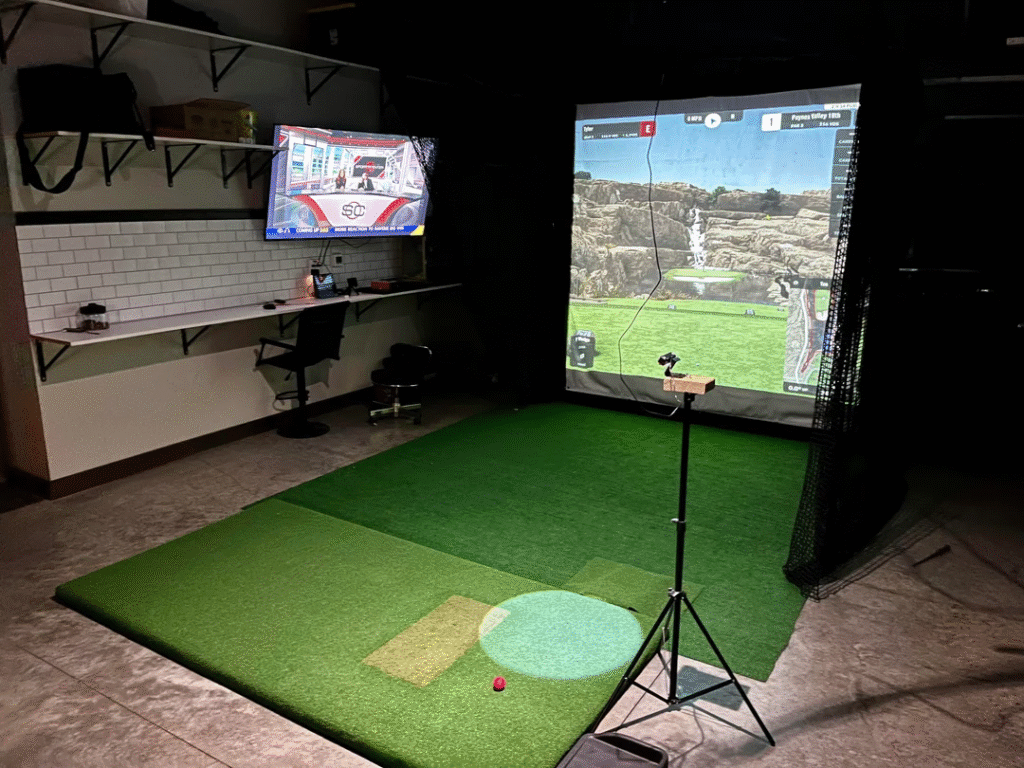
Every simulator comes down to four pieces. The launch monitor, the enclosure, the hitting mat, and the projector. The launch monitor is always the biggest factor because it determines accuracy and overall performance. A unit like SkyTrak Plus costs a lot less than something like the GCQuad or TrackMan iO, and that price gap alone can push your total build into a different tier.
The enclosure and screen have a wide range as well. Basic nets cost under $1,000. A proper impact screen with framing similar to a SIG8 or SIG10 can push closer to $2,000 or $3,000 depending on the size. Mats also add to the total. A softer mat under $200 feels completely different from a Fiberbuilt or SwingTurf mat in the $400 to $800 range.
Projectors vary based on brightness and throw distance. The more you want your screen to look like a real golf simulator bay, the higher the number climbs.
Quick Note: How a Golf Simulator Works
A simulator works by pairing a launch monitor with software, an enclosure, and a display. The launch monitor reads ball speed, launch angle, spin, club path, and other data points. The software takes those measurements and renders ball flight in real time. Accuracy and price shift based on how advanced the tracking system is.
Low Budget Simulator Costs
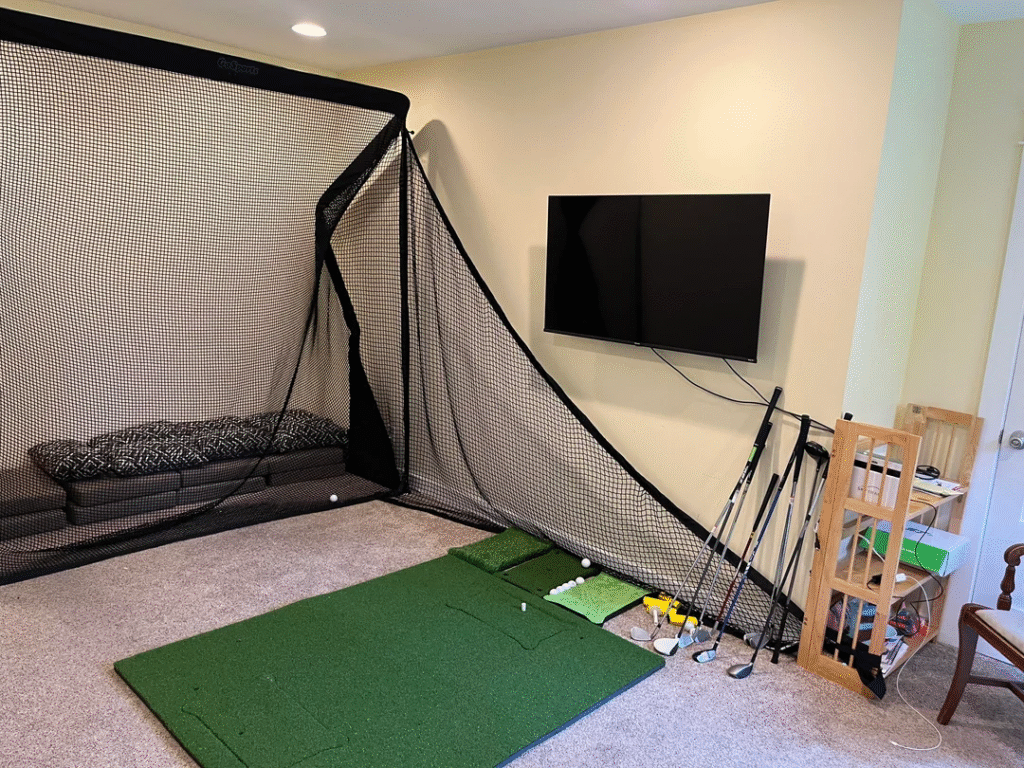
A low budget setup usually falls between $1,000 and $3,000. At this level you are working with a portable launch monitor and a simple hitting area. Something like the Garmin R10 or the base FlightScope Mevo can anchor the build. A pop up net, a basic mat, and a laptop are all you need to start practicing.
This level will not give you a full enclosure or the visual experience of a commercial bay, but it still gives you ball data, real feedback, and a reliable way to work on your game at home.
Mid Budget Simulator Costs
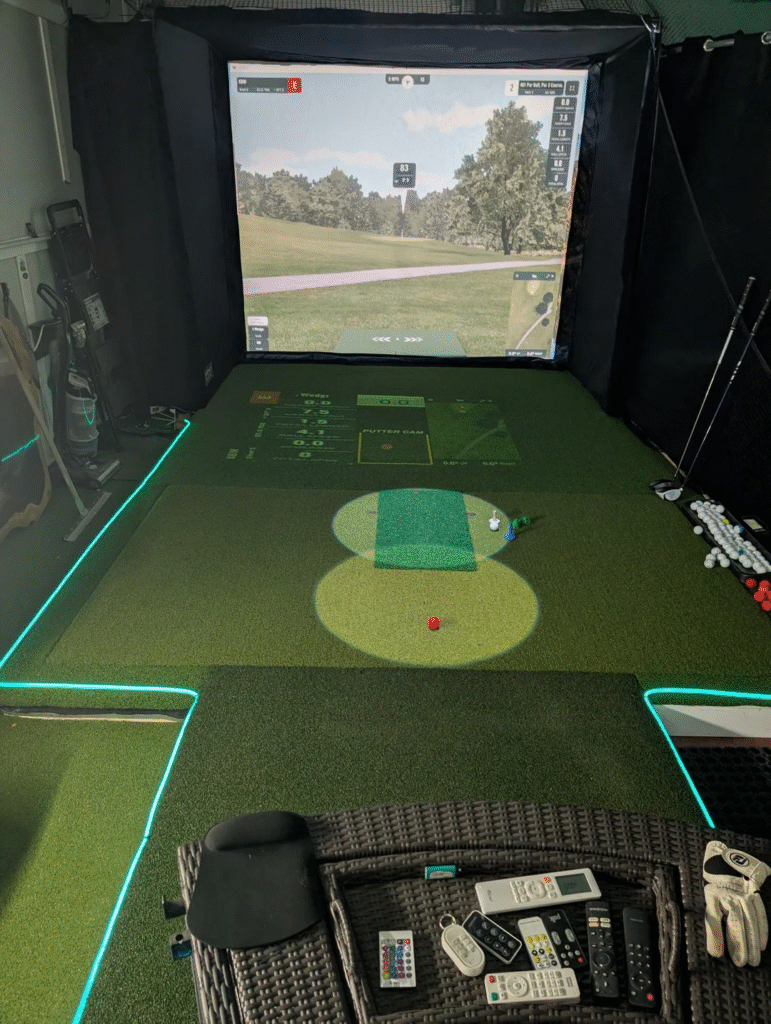
The mid budget range sits between $3,000 and $7,000. Most home golfers build their simulator in this zone because it feels complete without reaching into commercial pricing.
SkyTrak Plus sits right at the center. Pairing it with an enclosure similar to a SIG8 or SIG10 brings the experience together. A solid mat, a basic projector, and launch monitor software create a full indoor range. The GC3 also fits in this category when you build a stripped down version without a high end enclosure or gaming computer.
This range delivers a real bay. The screen looks clean. The ball flight feels believable. The data makes sense. Most players stop here because it checks every box without going too far.
High Budget Simulator Costs
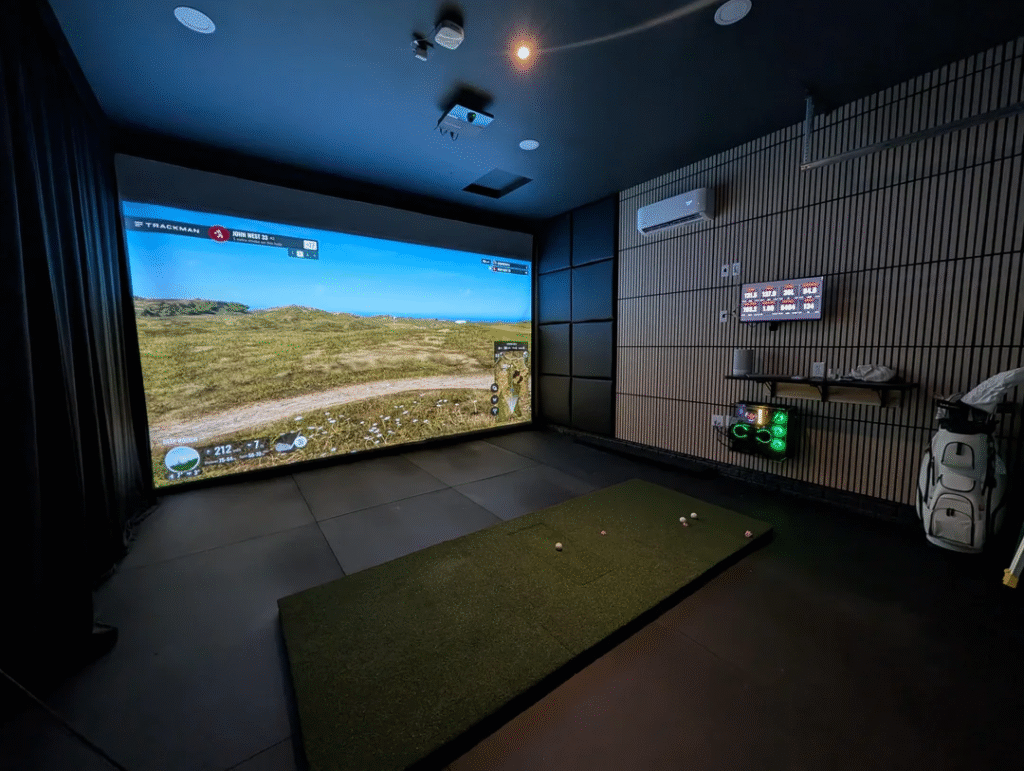
A high budget simulator costs $10,000 or more. This tier is where you start seeing premium launch monitors like the GCQuad, Foresight Falcon, or TrackMan iO.
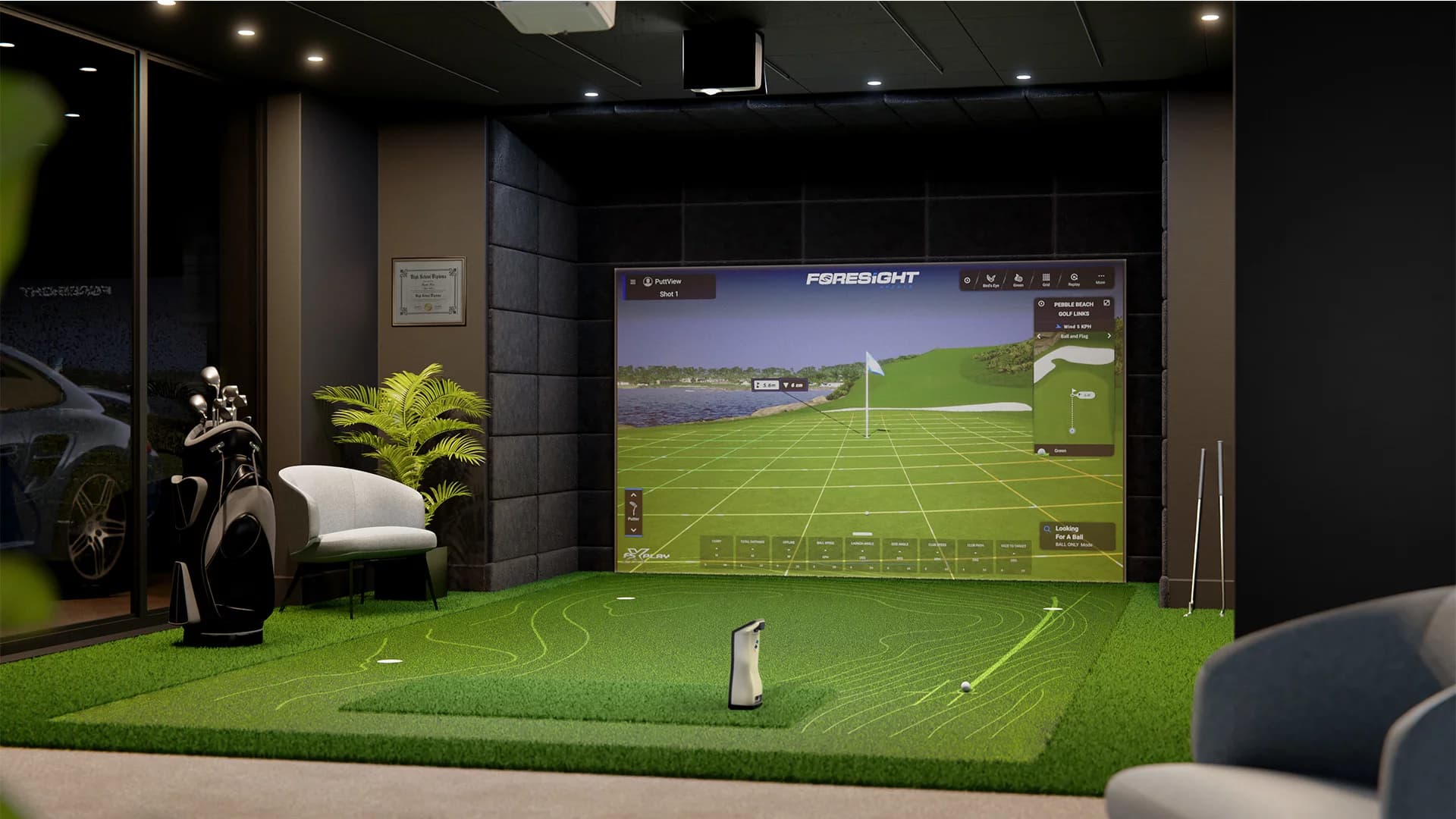
The enclosure grows into a full room build with premium turf, LED lighting, a short throw laser projector, a powerful PC, and software packages like GSPro, FSX Play, or TrackMan Performance Studio.
A setup with the TrackMan iO and a SIG12 or custom enclosure can easily cross $15,000 once you include all accessories. A GCQuad build with full software support often lands between $12,000 and $18,000 depending on the packages you select.
Overhead systems like the Foresight Falcon or GCHawk can push even higher because the room needs perfect layout, clean ceiling mounting, and proper spacing.
This level is meant for golfers who want a commercial feel at home.
Real World Example Golf Simulator Setups
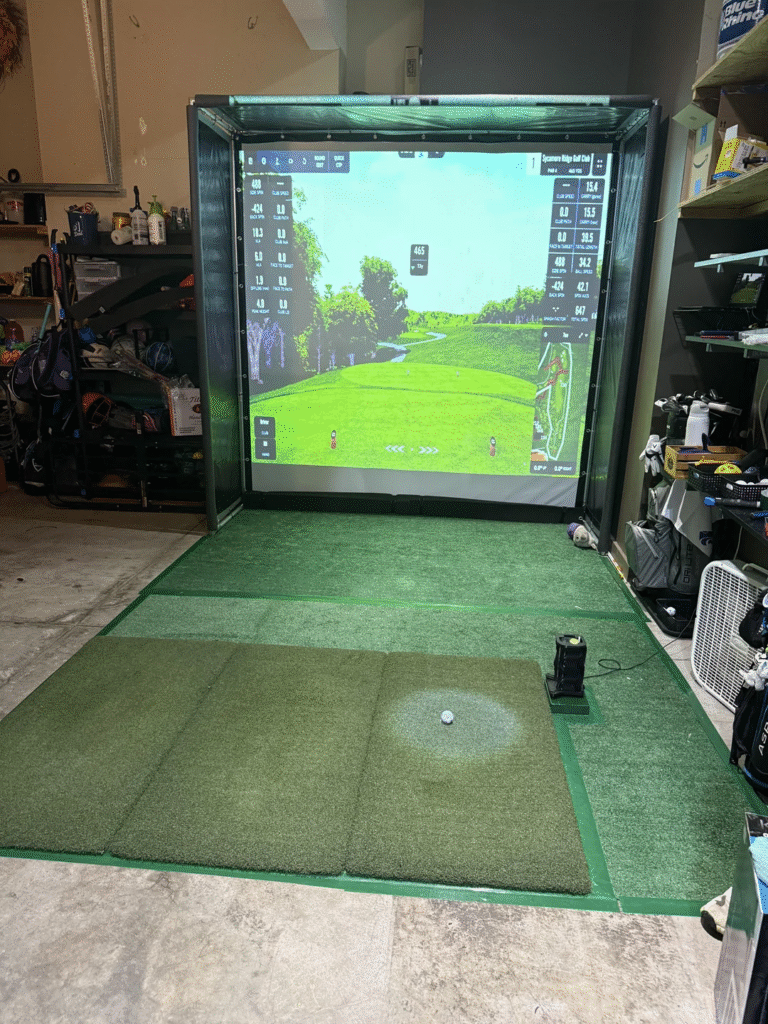
A simple $3,000 build usually includes SkyTrak Plus, a practice net, a hitting mat, and a laptop. It works in a garage or spare room without needing a projector.
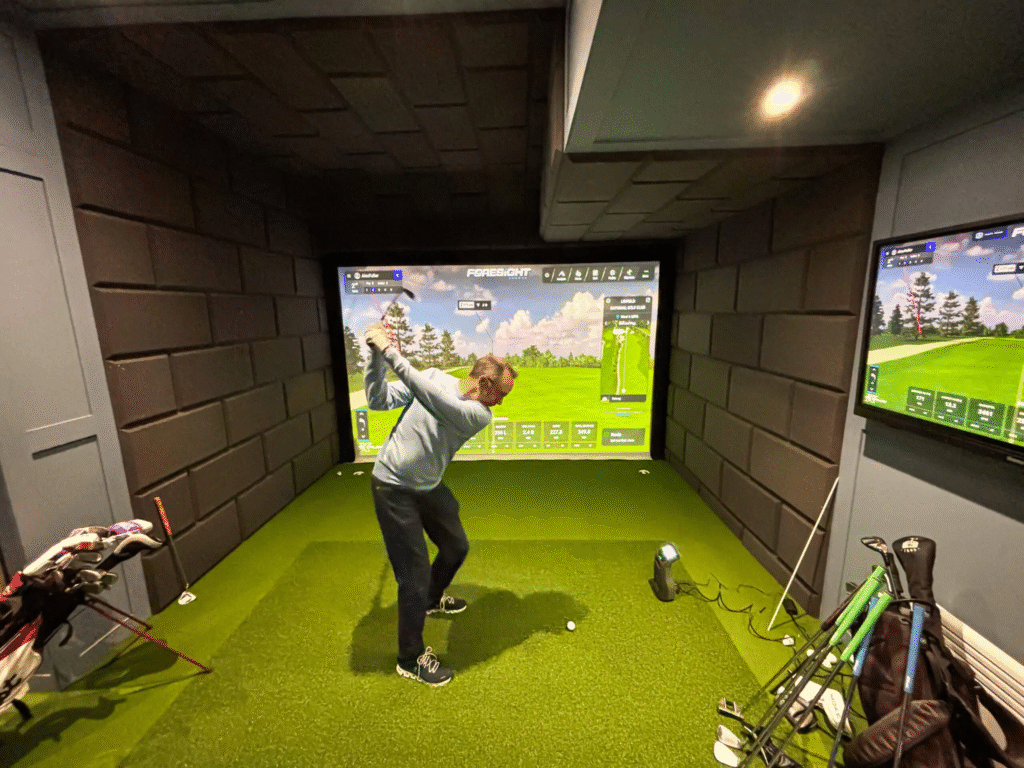
A $6,000 build feels like a home simulator bay. You will see SkyTrak Plus or Mevo Plus paired with a full enclosure, a screen, a solid mat, and a basic projector. It is the setup most players end up choosing once they see how complete it feels.
A $14,000 build turns the room into a full entertainment center. This level often features the GCQuad, the TrackMan iO, or the Foresight Falcon. A large enclosure, a bright projector, premium turf, and advanced software packages finish it off.
Popular Simulator Packages and Their Prices
To give a clear picture of real 2026 pricing, here are some of the most common simulator packages golfers are buying right now. These examples show the real cost difference between entry level, mid tier, and premium builds.
Getting started doesn’t require a big budget, and the Garmin Approach R10 Golf Net Practice Bundle proves it. This option usually comes in around $639 and gives golfers real ball data in tight spaces without needing a projector or a full enclosure.
Moving into a true simulator bay becomes more realistic once golfers consider a SkyTrak Plus setup with the SIG10 enclosure. This build often sits near $4,145 and creates a clean screen, reliable accuracy, and an indoor environment that feels put together.
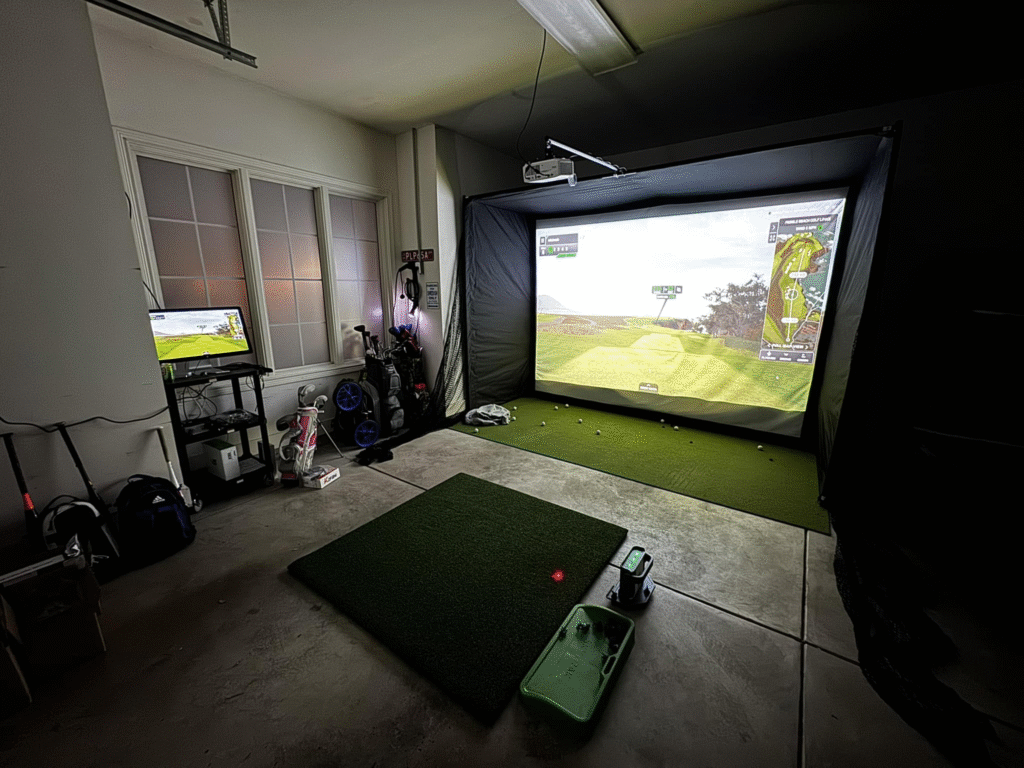
Stepping up in precision is where the Bushnell Launch Pro SIG10 Golf Simulator Package comes into play. Pricing tends to land around $4,999, and its photometric accuracy pairs naturally with the SIG10 enclosure for golfers who want tighter ball flight numbers.
Premium level performance enters the picture when players look toward the Foresight Sports GCQuad SIG10 Golf Simulator Package. This combination typically reaches $15,829 and is built for golfers who want tour level club data and consistent accuracy in dedicated indoor spaces.
Going all in on the ceiling mounted route leads many golfers toward the TrackMan iO SIG10 Golf Simulator Package. This setup usually sits near $17,689 and delivers polished visuals, dependable accuracy, and long term software support inside a permanent simulator room.
These examples show exactly how different each price tier feels once you factor in real hardware and a real enclosure.
Launch Monitors and Their Prices
Launch monitors make up most of the total cost. The most common options fall into predictable price brackets.
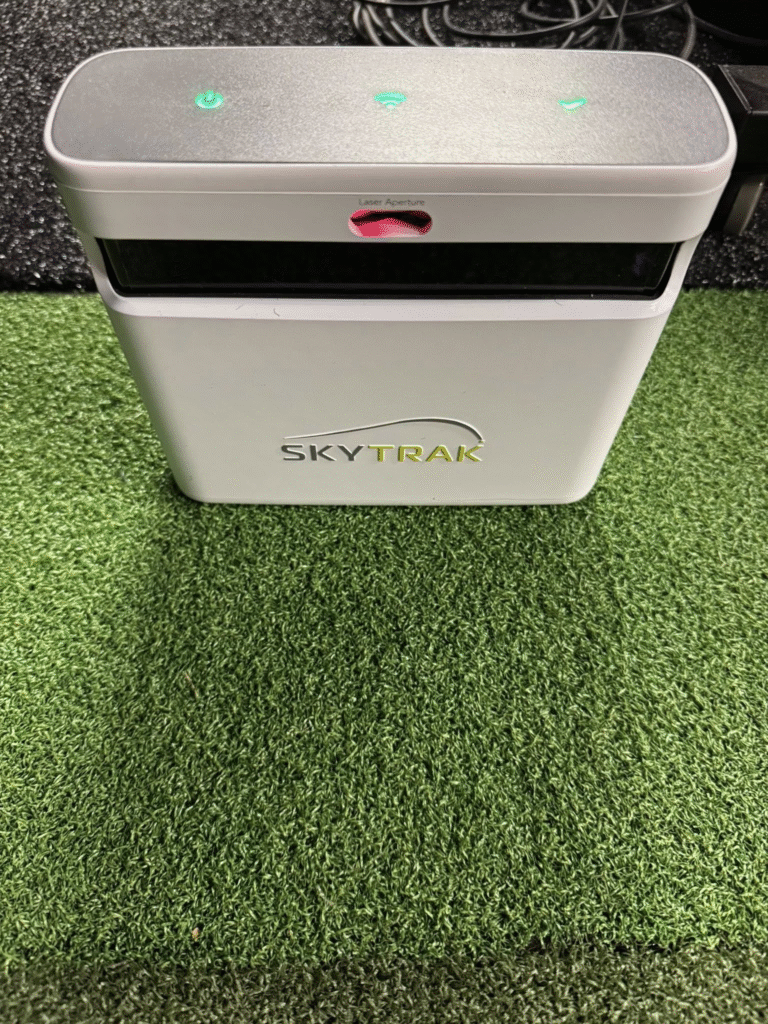
SkyTrak Plus sits in the mid tier at $1,954 and fits small rooms well. FlightScope Mevo Plus also sits in the mid tier and performs best with a bit more space. Garmin R50 comes in around $4,999 and gives golfers a complete touchscreen experience that keeps the build simple.
The Bushnell Launch Pro lands near $1,999, and the GC3 steps into the premium range at $6,999 because of its accuracy and software support. GCQuad continues into the high end at $15,999. TrackMan iO comes in near $13,995, and the Foresight Falcon sits around $14,999 for golfers who want some of the most accurate indoor readings available.
Choosing one of these units sets the baseline for the rest of your build.
Room Dimensions Matter More Than People Think
Most indoor setups need around 9 feet of height to swing comfortably and at least 10 to 12 feet of width. Depth usually falls between 15 and 18 feet for radar units and closer to 10 feet for camera based systems. Knowing this ahead of time saves you from buying the wrong launch monitor for the space you have.
DIY vs Prebuilt Simulator Packages
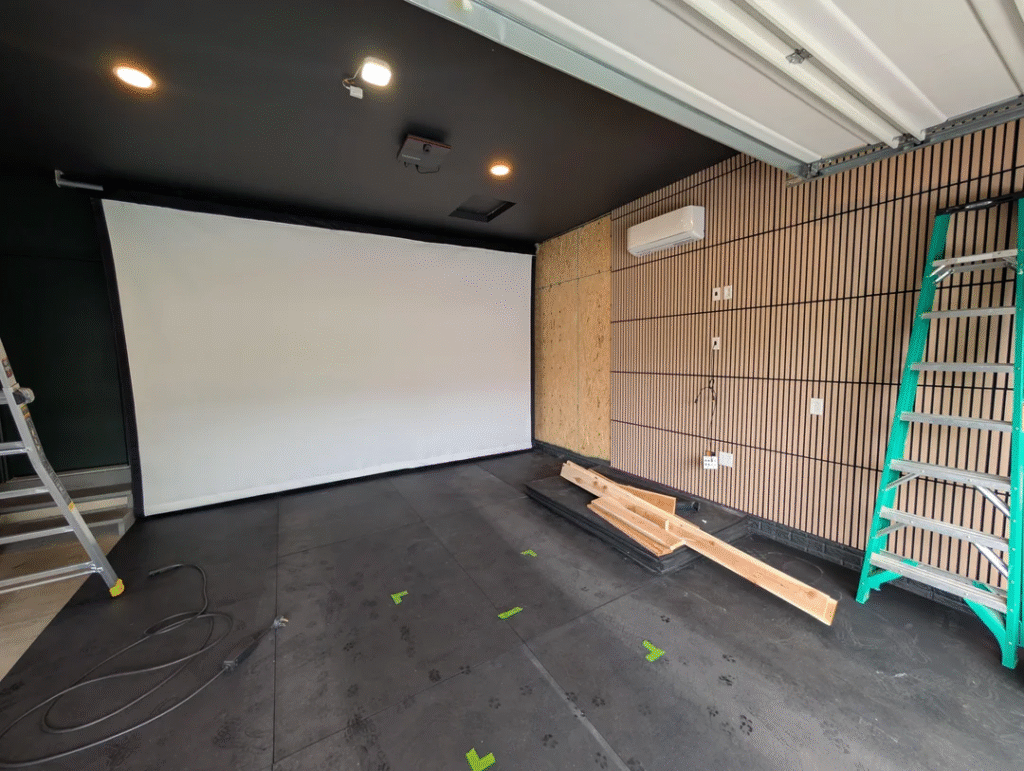
Building a simulator yourself usually saves money because you choose your own mat, net, screen, and launch monitor. Going with a prebuilt package costs more but removes the guesswork. The difference shows up in convenience, not performance, and both paths can create a great indoor bay.
Additional Costs Most Golfers Forget About
A simulator bay usually needs lighting so the cameras can track cleanly. Overhead lights or extra LED strips make a difference for photometric launch monitors. A gaming computer or a strong laptop might be required for GSPro, FSX Play, or E6 Connect. Turf around the bay brings the room together and adds to the final look. Replacement screens, annual software fees, and projector bulbs also add small recurring costs.
These items do not change the core setup but they shape the experience.
Does a Golf Simulator Add Value to Your Home
Many homeowners add a simulator to a bonus room or garage and notice the property feels more premium. A finished bay with a clean enclosure, good lighting, and a high end launch monitor becomes a feature rather than an accessory. Some buyers see it as an entertainment upgrade and treat it the same way they would treat a movie room.
A simulator might not raise the appraised value of the home on paper, but it raises the perceived value for the right buyer.
Final Thoughts
A golf simulator can cost as little as $1,000 or well past $20,000 depending on how serious you are about the experience.
Most golfers land between $3,000 and $7,000 because it delivers everything they need without going overboard. Once you know your ceiling height, room width, and how accurate you want your launch monitor to be, the right price range becomes obvious.
A good simulator is an investment that lets you practice more, play on your own schedule, and build a space that feels like a private indoor range.
Frequently Asked Questions
How much does a golf simulator cost in 2026?
Costs range from $2,000 for a basic net and launch monitor setup to $50,000+ for premium commercial systems. A mid-range home simulator with a quality launch monitor, enclosure, screen, and projector typically costs $5,000-$10,000.
What's the cheapest golf simulator setup?
The most affordable setup is a portable launch monitor like the Garmin R10 ($599) with a hitting net ($100-$300) and hitting mat ($100-$200). Total: under $1,000. For a full simulator experience, budget $3,000+.
Is a golf simulator worth the money?
If you play golf regularly and want year-round practice, a simulator pays for itself over time compared to driving range fees and green fees. Most golfers who invest in a simulator report improved performance on the course.
What are the ongoing costs of a golf simulator?
Ongoing costs include software subscriptions ($0-$300/year), replacement mats and screens (every 2-3 years), electricity, and potential software upgrades. Budget $200-$500/year for maintenance.
Related Articles
Check out these related guides and reviews from Par Percision: