Trying to choose between the Garmin Approach R50 and the Foresight GC3 feels like picking between two completely different ways to practice.
One leans on a touchscreen, self contained setup that almost acts like a small simulator by itself. The other is built around measured accuracy, deeper software, and a hitting bay that you can grow into over the next few years.
The GC3 delivers higher accuracy, a wider hitting zone, and stronger simulation support.
Garmin R50 gives you an easier touchscreen layout with strong ball data at a lower price.
If you care about precision and long term simulator growth, the GC3 usually makes more sense. If you want convenient practice and an all in one experience, the R50 fits that lane better.
Garmin R50 vs GC3: Key Differences At A Glance
Garmin R50 is a touchscreen launch monitor that runs practice and basic simulation from the unit itself.
Foresight GC3 focuses on measured accuracy, a larger hitting zone, and deeper simulation through FSX Play and GSPro.
R50 wins on convenience, built in visuals, and lower starting cost. GC3 wins on precision, long term simulator potential, and stronger indoor practice tools.
First Impressions You Notice Right Away
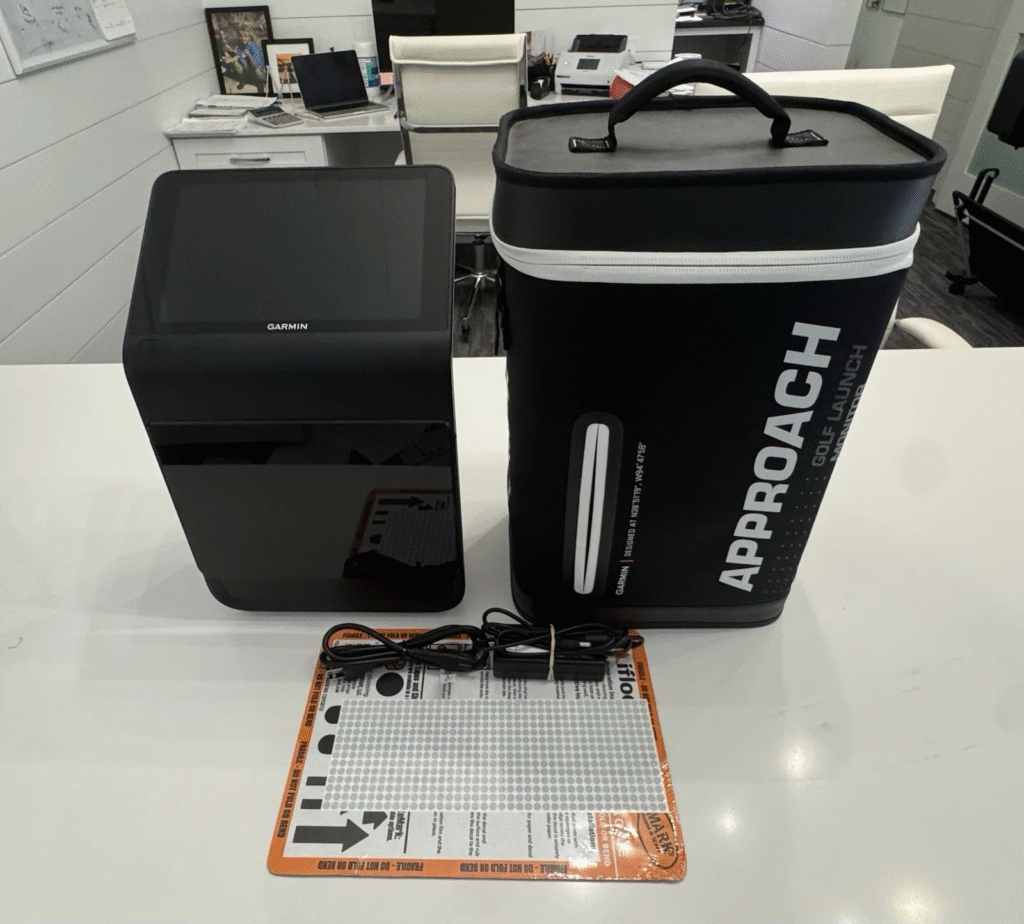
Setting them down on the mat shows how differently these two launch monitors are built.
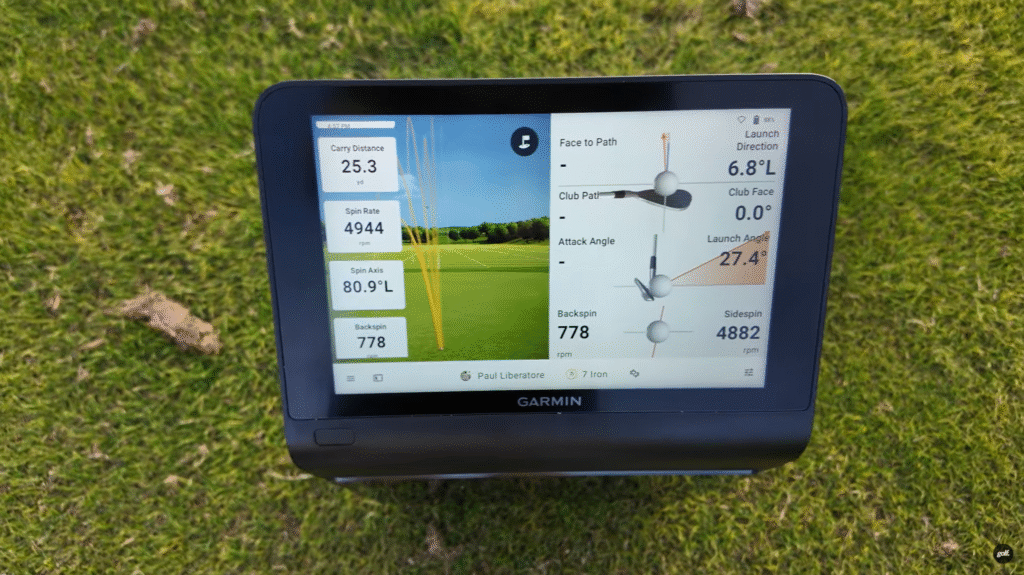
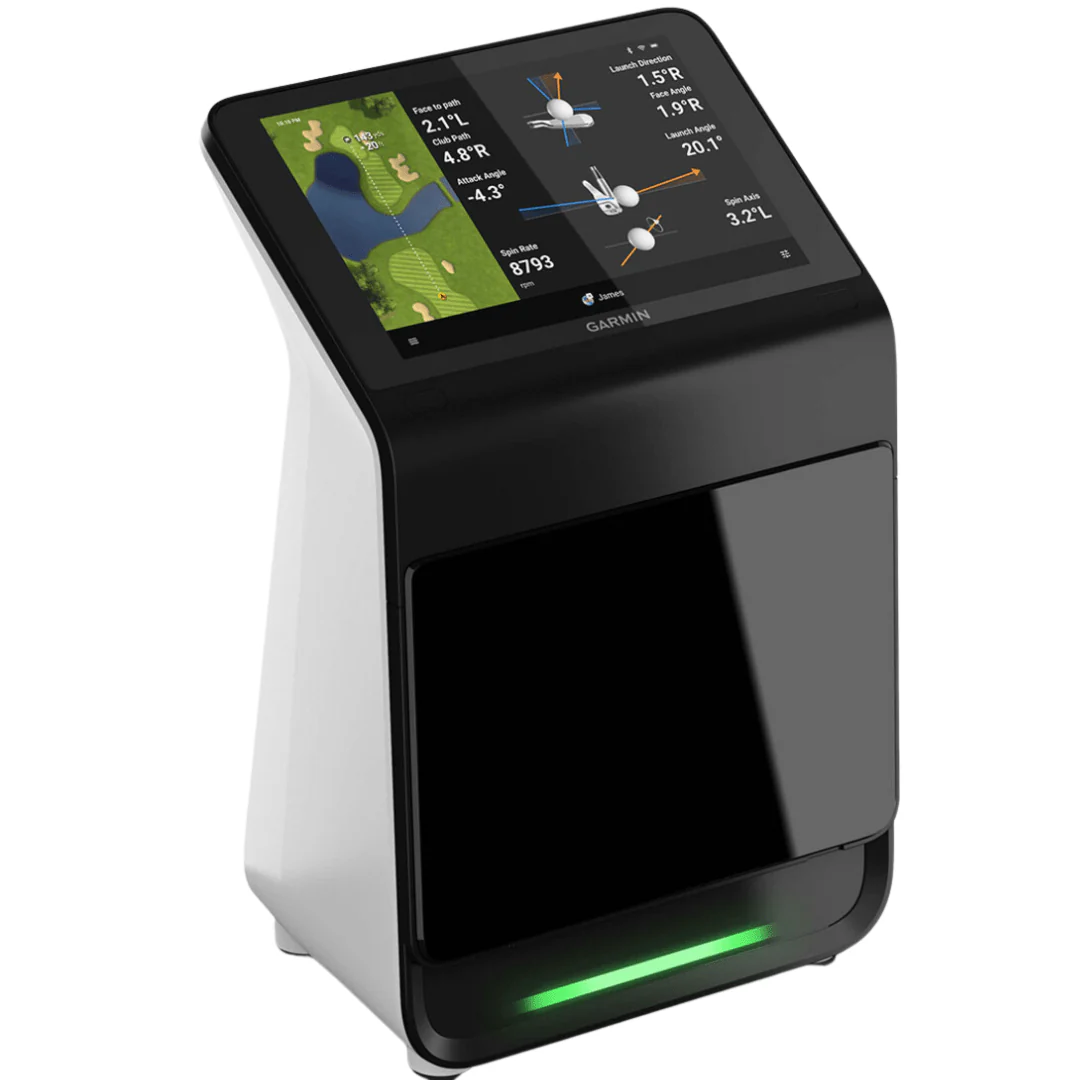
Garmin gives the R50 a big touchscreen that behaves like a mini simulator from the first tap. Watching ball speed and carry pop up instantly on the screen without touching a laptop makes practice feel simple and quick.
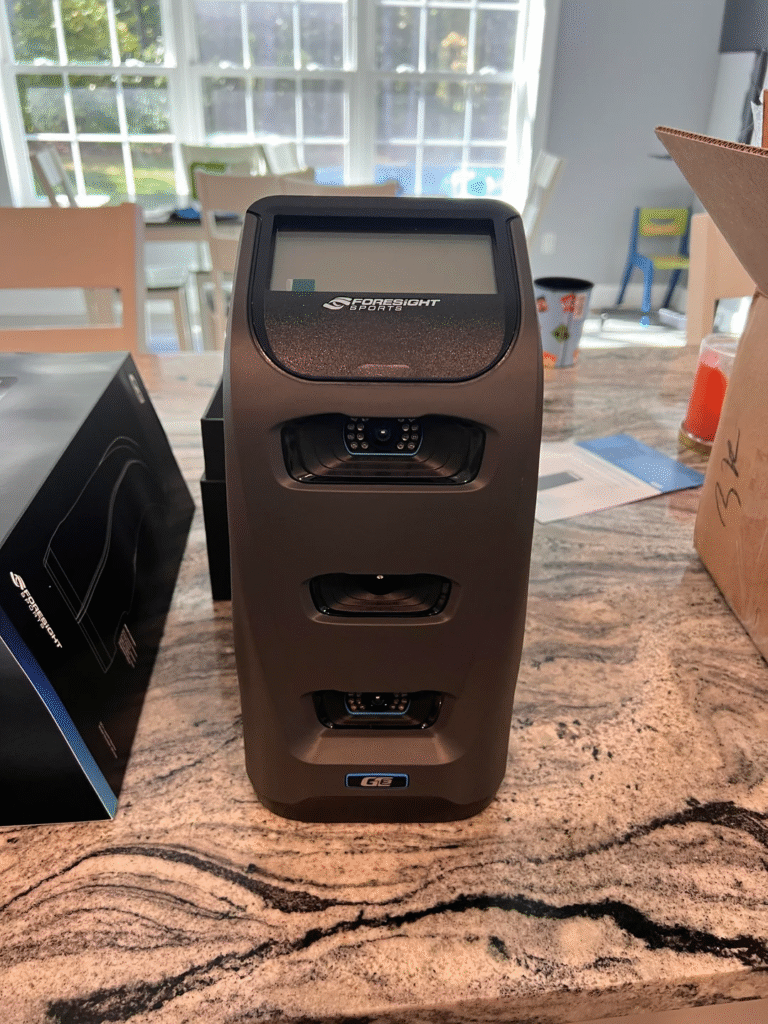
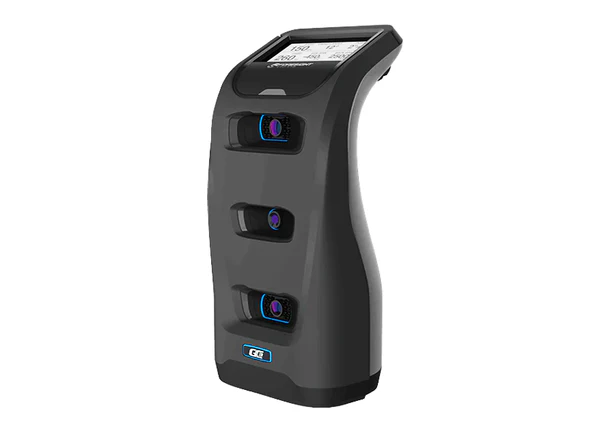
Using the GC3 brings a more technical vibe as soon as a ball launches. The three camera layout catches impact with a level of stability that feels closer to a studio bay. Every reading shows up clean and intentional instead of feeling estimated.
Both are camera based, but they have very different personalities. One feels like a self contained simulator. The other feels like a measurement tool for golfers who want serious improvement.
What You Feel During Setup
Powering on the Garmin R50 makes it clear why some golfers prefer a screen based device. The interface loads quickly, everything shows on the display, and you can move from session to session without grabbing a laptop or tablet.
Picking up the GC3 reminds you why portability matters for players who practice in different spots. The compact frame and lighter build make it easy to bring from the range to an indoor net without overthinking space or weight. You connect to a laptop or tablet for the full experience, which adds a step, but that extra step gives you flexibility in how you use the bay.
Both setups work. They just support different practice styles.
Accuracy Differences That Show Up Quickly
Accuracy starts to separate them after a few half wedges.
GC3 readings hold spin and launch values in tighter windows even when contact moves slightly on the face. Carry numbers settle into consistent patterns that make gapping sessions and distance control feel very predictable.
The Garmin R50 delivers strong ball data across the bag, especially with mid irons and driver. It responds quickly and the easy workflow encourages longer sessions because you spend less time tinkering with settings. Club data can be reliable as well, but face angle and face to path require stickers, and that small step is something many players skip once the new toy feeling wears off.
Players who want exact numbers and repeatable data usually lean toward the GC3. Players who want dependable ball data with fewer steps tend to feel more comfortable with the R50.

How the Software Experience Changes Your Practice
Launching Home Tee Hero directly from the R50 touchscreen feels natural. Course play loads on the device, you see the visuals right on the screen, and an HDMI cable lets you send everything to a larger display when you want a bigger view.
Running FSX Play or GSPro with the GC3 gives a more detailed simulator feel. The visuals look richer, the feedback feels more responsive, and ball flight behaves the way you expect from a higher end simulator. Working on approach shots, shaping the ball, or dialing in wedges feels closer to real golf with a premium launch monitor.
Convenience leans toward the Garmin R50. Premium simulation and deeper practice tools lean toward the Foresight GC3.
Indoor Fit and Space Feel
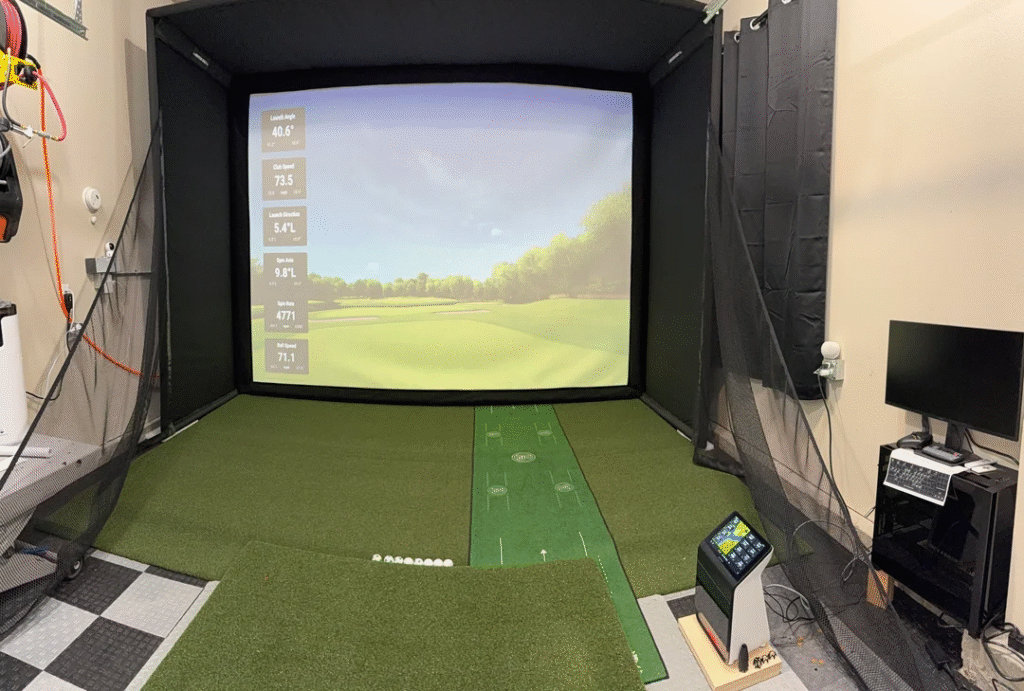
In tight rooms, the Garmin R50 instantly benefits from the built in display. With no computer or projector required to get started, the space stays cleaner and easier to manage. The hitting window is clearly defined, so ball placement becomes routine after a few sessions.
The GC3 changes the feel with its wider hitting zone. Sliding the ball slightly left or right does not break tracking, which makes wedge practice and small setup tweaks feel more natural. During a controlled test in a garage style space, that extra forgiveness in the hitting zone gave the whole session a more open and relaxed rhythm.
Both units fit smaller rooms well, but each shapes the environment in a different way.
Portability in Real Use
Carrying the Garmin R50 from room to room works fine, but the size and built in screen make it feel like it belongs in a single dedicated spot. Once it is set, most golfers leave it there and build a consistent routine around that bay.
Moving the GC3 never feels like a chore. The smaller footprint makes it easy to bring to the range, and the battery life holds up for longer sessions. Many players use it indoors during the week and then bring it outdoors on weekends without changing their workflow.
Daily habit usually decides which one feels more natural to live with.
Best for AccuracyForesight GC3
$6,999
Precision is where the GC3 shines. It gives stable numbers and a hitting zone that feels built for serious practice and long term simulator use.
Pros:- Very stable accuracy across the bag
- Wider hitting zone for indoor work
- Deep simulation support with FSX and GSPro
Cons:
- Higher upfront cost
- Needs an external device for full use
- No touchscreen interface
Price Breakdown And Value
Garmin Approach R50: $4,999
Foresight GC3: $6,999
The gap in price reflects two very different design priorities.
The R50 brings as much as possible into a single device and keeps the starting cost lower. You pay for the hardware, then a light subscription if you want ongoing access to Home Tee Hero and weekly tournaments.
The GC3 locks in the higher upfront cost and removes required subscriptions. You pay more on day one but get full ball and club data, stronger software options, and a unit that many coaches and fitters rely on inside lesson bays.
If you want to control total spend and still enjoy accurate ball data with a modern screen, the Garmin R50 lines up with that goal. If you are planning a long term simulator build that needs trusted numbers and deep software, the GC3 starts to look more like an investment.
Best All-In One ExperienceGarmin Approach R50
$4,999
Touchscreen convenience defines the R50. It gives golfers an easy way to practice and play basic simulation without extra gear cluttering the bay.
Pros:- Large touchscreen that runs practice and Home Tee Hero
- Simple all in one setup
- Strong ball data for most players
Cons:
- Narrower hitting zone, especially when using full club data
- Stickers needed for face angle and face to path
- Simulation depth is lighter than a GC3 with FSX and GSPro
Which One Makes More Sense For You
Golfers who want a simple launch monitor that runs from a single touchscreen will feel at home with the Garmin Approach R50. It saves space, cuts down on extra equipment, and delivers the core ball data you need for consistent practice.
Players who want stronger accuracy, a larger hitting window, and deeper software support will feel more confident with the Foresight GC3. Its measured performance and long term flexibility make it one of the strongest camera based launch monitors in this price range.
Both units can raise the level of your practice. The key is matching the device to your habits, your space, and how deep you really want to go with simulator golf.
FAQ: Garmin R50 vs GC3
Is the GC3 more accurate than the Garmin R50?
Yes. The GC3 delivers more stable spin, launch, and club delivery data because of its dedicated photometric camera system. The R50 gives strong ball data and good club information but relies on stickers for some advanced metrics.
Which launch monitor is better for indoor golf?
GC3 generally performs better indoors because of its wider hitting zone and deeper simulation support through FSX Play and GSPro. The R50 works very well in tight spaces when you want a cleaner setup with a built in display.
Can the Garmin R50 run simulation without a computer?
Yes. The R50 can run Home Tee Hero directly on the touchscreen. You can also send the picture to a larger screen with HDMI when you want a bigger view.
Is the price difference worth it?
It depends on your priorities. Golfers who want maximum accuracy and a simulator they can grow into for years usually see the GC3 as worth the extra money. Golfers who want simplicity, a lower total investment, and a modern screen based setup lean toward the R50.
Which one is easier to move around?
The GC3 is lighter and easier to move between the range and an indoor net. The R50 can be moved, but the size and screen make it feel more at home in a dedicated hitting space.
Related Articles
Check out these related guides and reviews from Par Percision: