
The SkyTrak+ is known for being surprisingly accurate for a $1,995 launch monitor, usually landing within about 5 percent of premium units like the GCQuad on ball data and within a couple MPH or degrees on key metrics. Once the alignment and ball placement are set right, the numbers settle in and feel consistent swing after swing.
What stood out to me is how stable the readings get once everything is dialed in. The dual Doppler radar cleans up the misreads the original SkyTrak struggled with, and the wider hitting zone makes it easier to swing freely without worrying about exact ball position. It still has a few quirks, but the core accuracy is absolutely there for most swings.
The SkyTrak+ sits in that sweet spot where the numbers feel trustworthy enough to guide your practice without needing to pay GCQuad money. It is not perfect, but the accuracy holds up in a way that makes real improvement possible.
How SkyTrak+ Performs on Real Swings
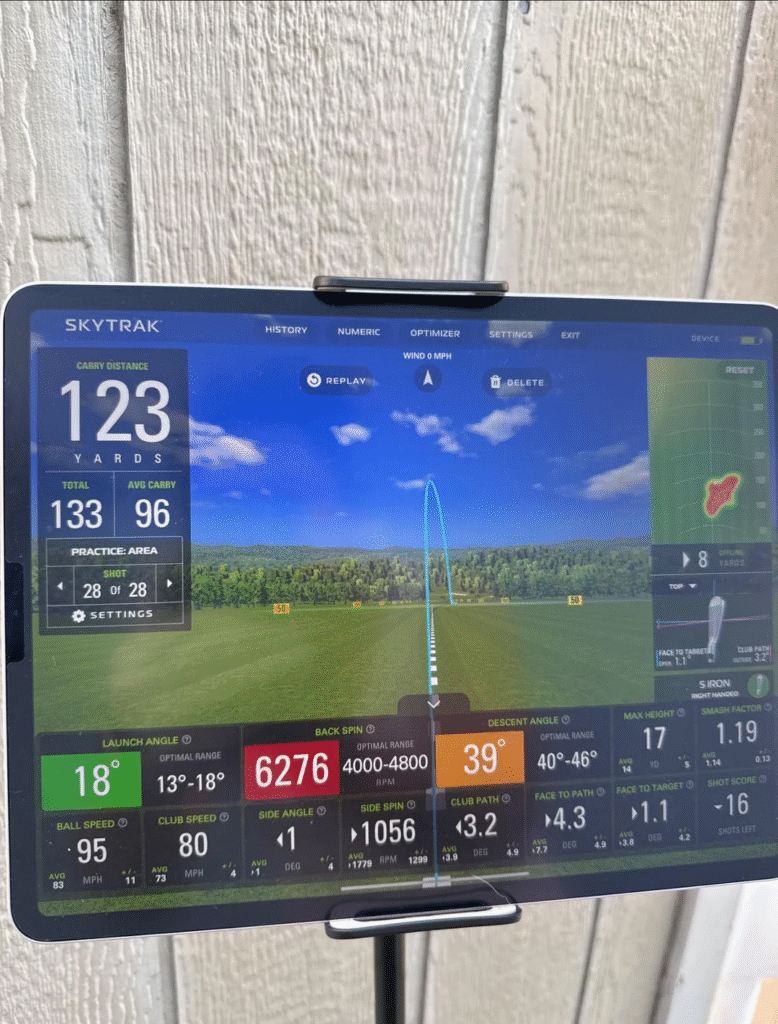
The biggest thing to understand is that SkyTrak+ accuracy is not random. It follows patterns. Ball speed usually sits within 1 to 2 MPH of higher end monitors, launch stays close, and spin tends to fall within a few hundred RPM. These margins are normal even on expensive systems, and most golfers never feel the difference.
What matters most is how the ball flight matches your intention. If you hit a draw, the screen reflects it. If you leak it right, the shot shape lines up with what you felt. That consistency is what makes the unit usable for mid irons, wedges, and driver work. You can trust the feedback without second guessing the monitor.
Short game is where the variation shows up. Very slow chips and soft putts under 5 feet are still the SkyTrak+ weak spot. Everything above that reads clean.
Why SkyTrak+ Accuracy Feels This Solid
The accuracy comes from how the radar and camera blend their inputs. The dual Doppler radar tracks club movement through the hit, so face angle, club path, and low point become more stable. The camera locks onto the ball at launch, and the improved sensor gives you a wider strike window.
When both systems agree, the ball flight model fills in the remainder. SkyTrak upgraded this model with better machine learning, so the ball reacts more like it would on the course. This is why the Plus version reads lower spin drivers and higher spin wedges more realistically than the original.
The end result is a system that feels trustworthy when the environment is set up right.

Accuracy Across Different Clubs
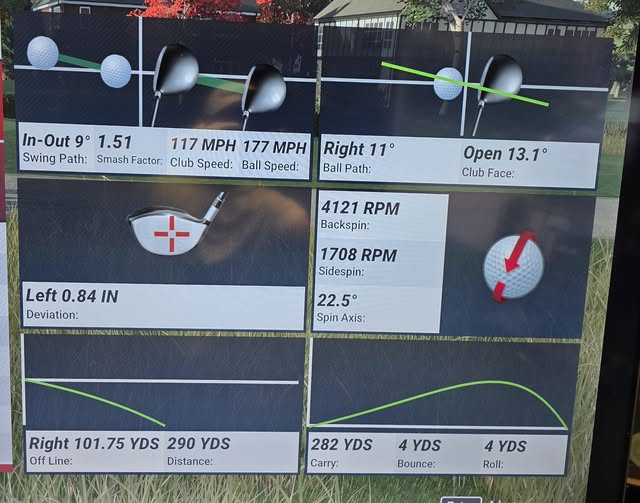
With driver, the reads stay close enough to help you understand your launch windows. Spin is the most likely metric to drift, but the ball flight still lines up with what you expect. You can work on shaping, height, and distance control without the screen feeling off.
Mid irons are where the SkyTrak+ feels the strongest. Distance gaps hold steady. Launch is predictable. Spin hovers in a range you can actually work with. If you are trying to build a repeatable iron swing, this is where the unit earns its value.
Wedges show slightly more variance, especially when you crank spin up or take speed down. The reads are still usable and consistent enough that you can work on flighting shots or controlling trajectory without worrying about fake numbers.
The Setup Mistakes That Throw Off Accuracy
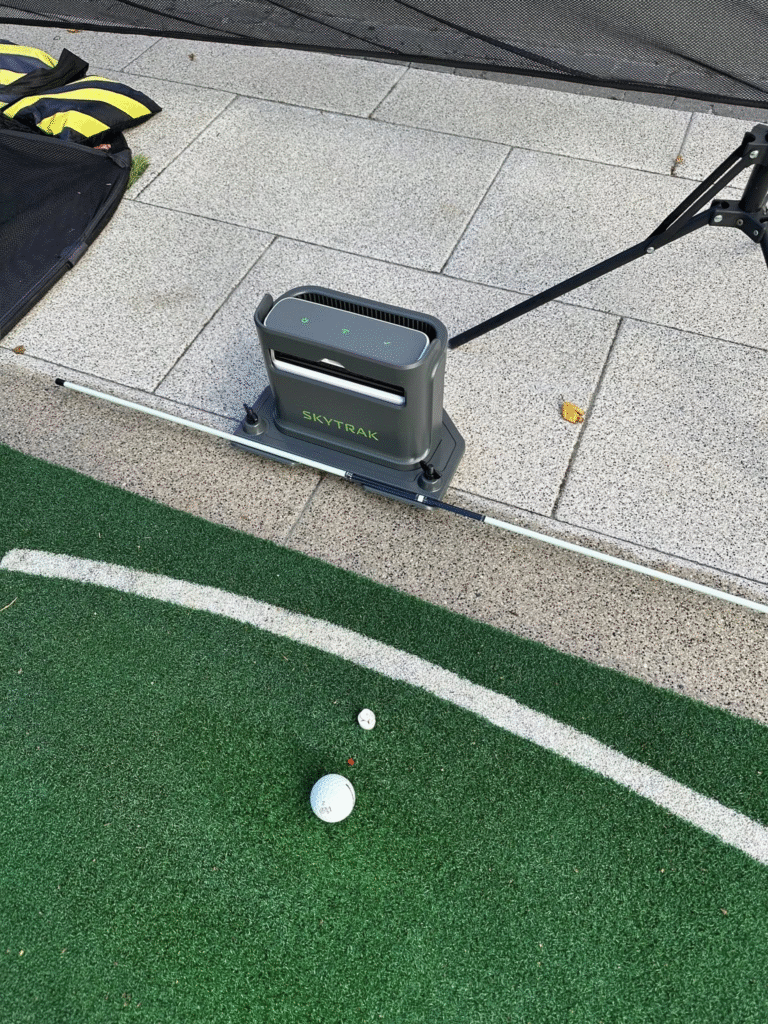
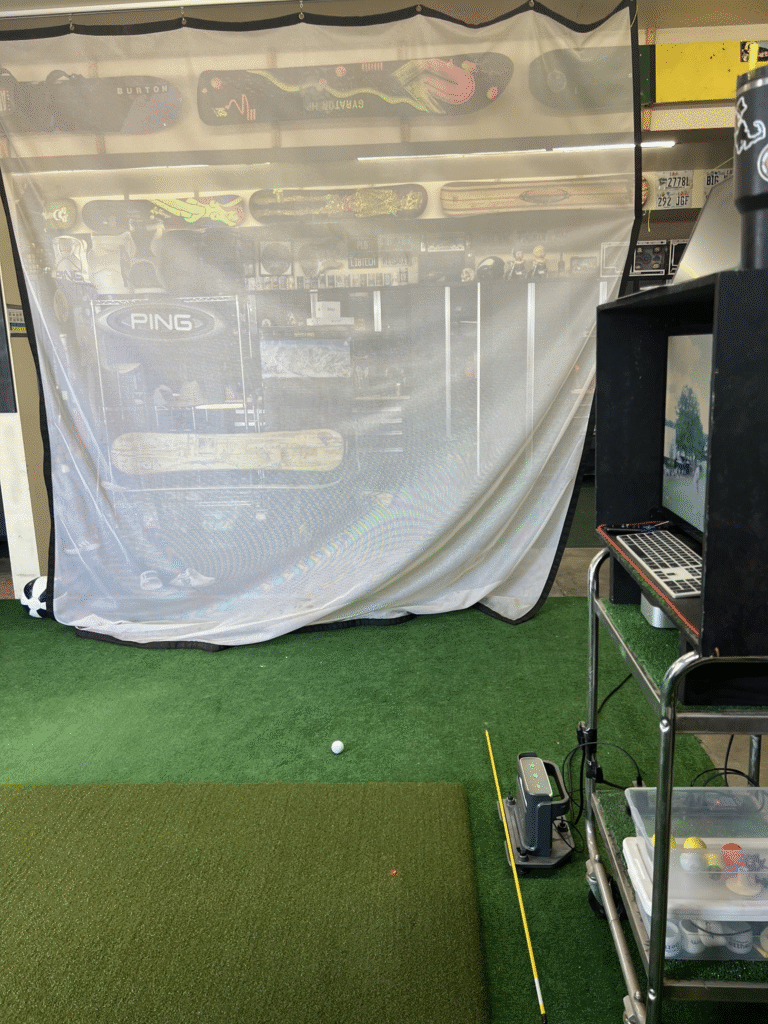
Most SkyTrak+ complaints come from setup, not the hardware. The unit is sensitive to alignment, lighting, and leveling.
If it sits even a little crooked, launch and spin start drifting. When the lens faces a bright light source or a shadow crosses the hitting zone, the tracking becomes inconsistent. Leveling is just as important. A tilted unit changes the way the camera sees the ball.
Ball placement is simple with the laser dot, but tiny adjustments make a difference. Faster swings often read better with the ball slightly behind the dot. Slower wedge shots sometimes read cleaner when the ball sits a touch in front.
When these things are correct, the accuracy jumps noticeably.
Where SkyTrak+ Feels the Most Accurate
Full swings are the strength of the system. Driver, fairway woods, irons, and wedge shots above chip speed all read in a window that feels believable. If your goal is to build consistency, work on distance control, or practice shot shaping, SkyTrak+ delivers accurate enough data to actually help.
The biggest advantage is how repeatable the numbers feel. Once the environment is stable, the feedback stays stable.
Where SkyTrak+ Shows Its Limits
The weakest area is short game under low speeds. Soft chips and certain putts can miss or drift. These shots are challenging for almost every launch monitor under $4,000.
High spin wedge shots sometimes show more variance than expected, but the flight still lines up with what you feel through impact. These limits do not ruin the experience, but they are worth knowing.
Final Take on SkyTrak+ Accuracy
The SkyTrak+ is far more accurate than most golfers expect at this price. When the setup is correct, the numbers stay close to GCQuad and Trackman in a way that feels good enough to trust for real practice. You get consistent ball flight, believable spin windows, and stable launch readings.
It is not flawless, but for $1,995, it delivers accuracy that makes home practice meaningful without needing studio level hardware.