
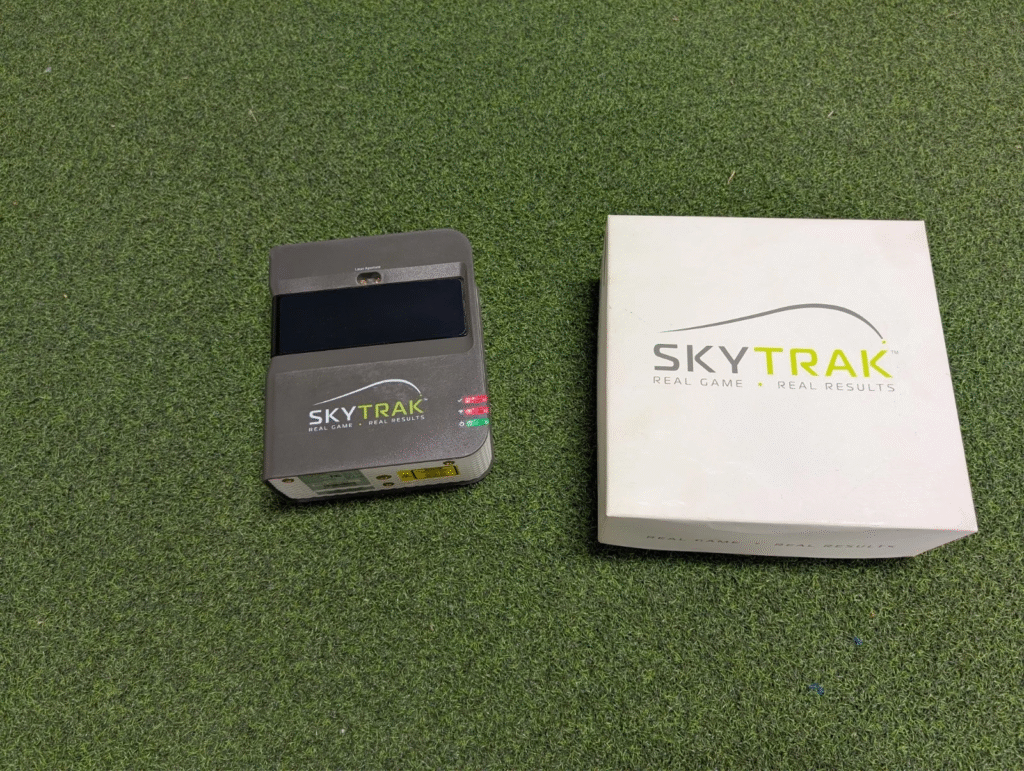
The difference between the SkyTrak and SkyTrak Plus comes down to how each one tracks the ball, how much swing data you get, and how well they perform outside, but the real gap shows up once you test them side by side in an actual hitting bay.
I have tested the original SkyTrak inside my bay for years and eventually moved to the SkyTrak Plus because I needed better club data and more reliability outdoors. The difference becomes obvious the first time you swing.
The original SkyTrak currently sits around $895, while the SkyTrak Plus comes in at $1,995, which makes understanding the performance gap even more important before you pick one.
Tracking, Accuracy, and Outdoor Performance
The biggest shift is in how both devices track the ball and the club. The original SkyTrak relies only on a photometric camera system, which works well indoors but struggles once sunlight or shadows enter the space. It measures spin, carry, ball speed, launch angle, and shape, but it does not track anything related to the club.
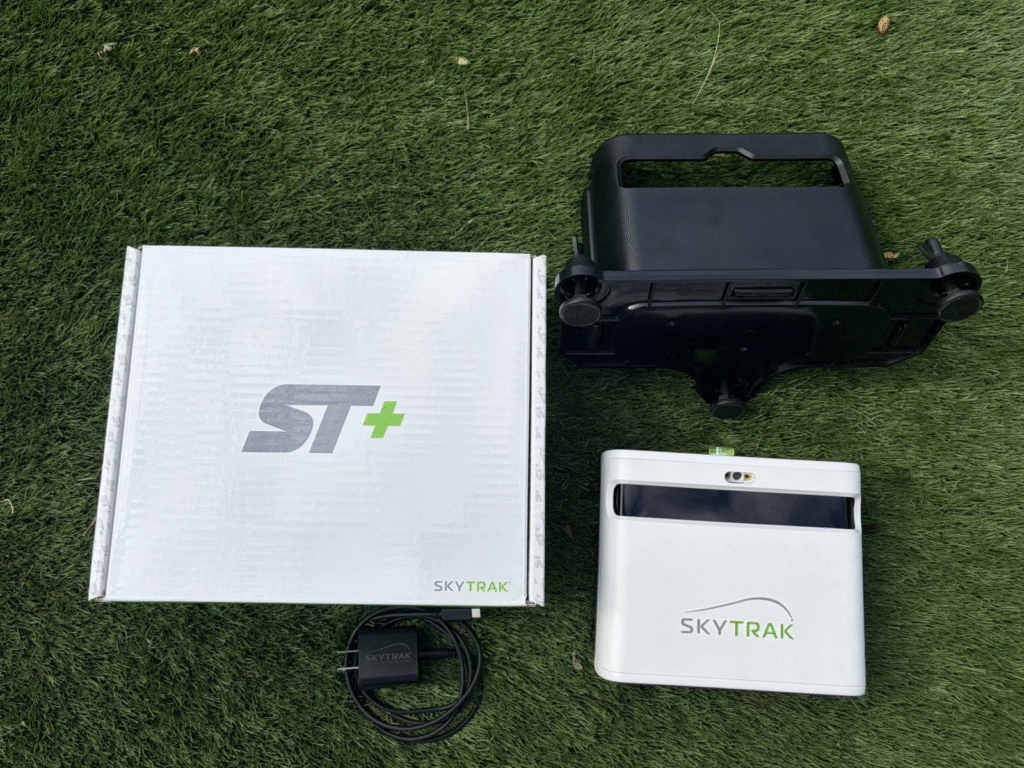
The SkyTrak Plus brings dual Doppler radar into the mix along with the camera system. This allows it to read club path, face angle, face to path, head speed, and smash factor without stickers or marked balls. You instantly get a better picture of why your ball is doing what it is doing rather than only seeing the result.
The increased accuracy outdoors is the next real difference. I noticed the original SkyTrak had a higher miss rate during brighter days. The SkyTrak Plus is designed to handle both indoor and outdoor use, and the radar component holds its tracking quality even when lighting changes. That flexibility alone makes it better for golfers who want to hit in the yard or bring the device to the range without dealing with read errors.
Speed, Hitting Zone, and Daily Usability
Speed also changes the experience. The original SkyTrak has a slight delay between the strike and the shot rendering, which becomes noticeable when you are practicing fast.
The SkyTrak Plus has faster shot processing that makes the feedback loop feel closer to what you get on higher end launch monitors. When you are working on distance control, wedges, or shaping drills, the quick response helps you adjust and learn without waiting for each shot to display.
The hitting zone on the SkyTrak Plus is noticeably larger. I only realized how small the original zone was once I started switching between clubs and moving feet positions. The Plus gives more room to place the ball, which makes setup easier and reduces the chance of a misread from slight ball placement variations. A larger zone is one of those things you do not appreciate until you have it.
Build and connectivity updates matter too. The SkyTrak Plus switched to USB C for charging and added stronger internal processing along with 5 GHz WiFi compatibility. The original SkyTrak still uses micro USB and runs slower when handling high resolution data. These improvements make daily use smoother, especially if you plan to leave the device plugged in for long sessions.
Software Access, Memberships, and Space Requirements
Software access is another area where many golfers get confused. The SkyTrak Plus includes all the advanced data and training tools without requiring extra purchases for club data.
The original SkyTrak requires a Game Improvement Plan for many features and still lacks full club metrics even after upgrades. When you compare costs across a season, the Plus tends to provide more value because everything is available right away rather than tucked behind upgrades.
Space requirements remain similar for both devices. If you want a comfortable SkyTrak setup, a minimum of ten feet of width, fifteen feet of length, and nine feet of ceiling height is recommended. I learned quickly that trying to squeeze under these limits affects your ability to swing freely. Both devices benefit from the same amount of space, and the Plus does not need any special lighting since the radar component is less sensitive to inconsistent conditions.
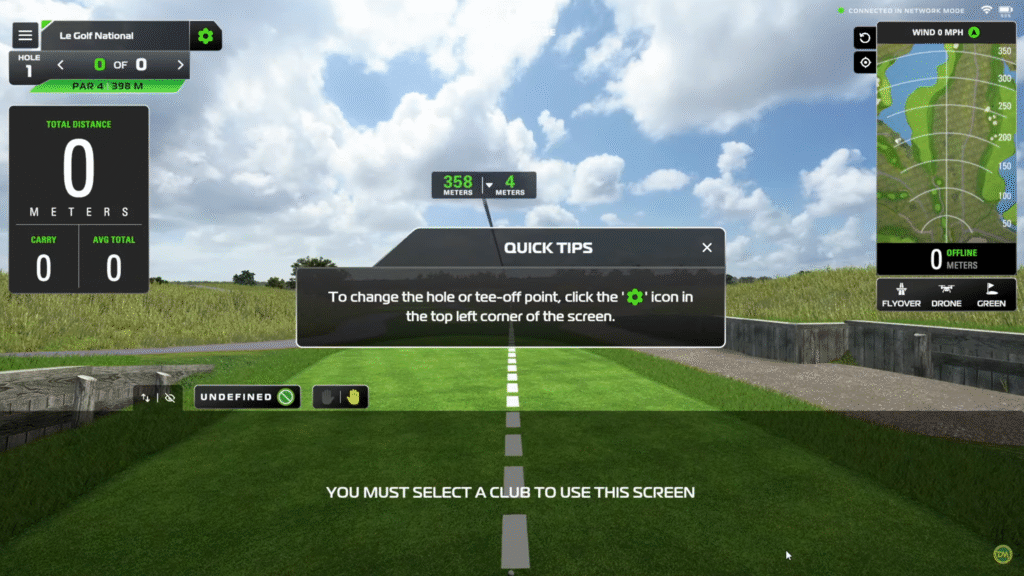
Course play and simulator integration are almost identical once you have the correct membership level. You get access to more than seventy courses on the SkyTrak Plus through the app, including Pebble Beach and Bethpage Black.
The original SkyTrak supports course play as well, but the features depend on which membership tier you purchase. If you enjoy sim golf regularly, the Plus ends up being easier to manage because everything is packaged together.
Ball requirements are simple for both. You do not need special balls. A clean white ball with a logo or a marked line works best and gives the camera clear reference points. I have tested Truvis and patterned balls, and the reading consistency drops slightly compared to a plain ball with a single logo facing the unit.
Final Verdict
After using both units side by side, the difference feels like moving from a good launch monitor to a more complete training tool. The SkyTrak Plus gives you club data that the original cannot capture.
The larger hitting zone makes routing practice smoother. The outdoor performance is significantly better. The speed makes training feel more natural. And the radar plus camera tracking gives you feedback closer to what you get on higher end units.
If you only hit indoors and do not care about club data, the original SkyTrak still offers strong value. If you want a launch monitor that keeps up with your practice, reads more of your swing, works outside, and delivers faster processing, the SkyTrak Plus is a clear upgrade that makes a noticeable difference from the first session.